In honor of Preservation Month, hear from a panel of experts on existing tools and new approaches for renewing buildings to support housing needs and responsible growth.
New Paths to Preservation: The Late Modern Dilemma
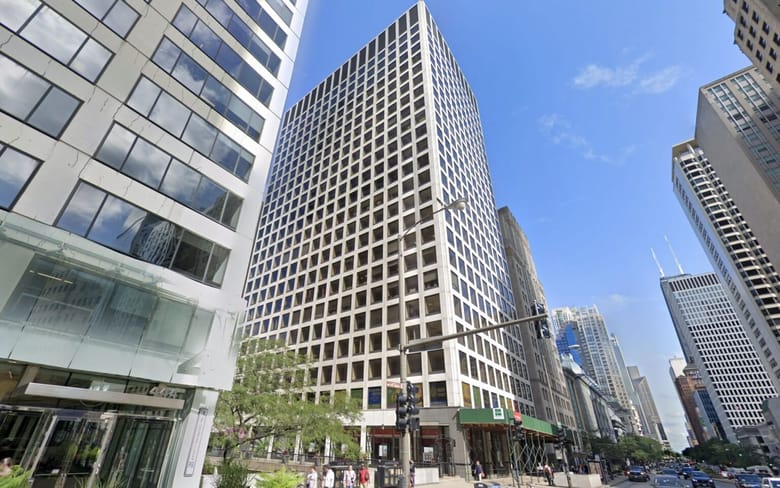
30 N. Lasalle.

As cities face rising housing demand and underused office space, preservation of existing buildings is now playing a more pivotal role in what comes next.
Last December, the Commission on Chicago Landmarks voted to landmark 30 N. LaSalle, a 1975 high-rise built on the former site of Adler & Sullivan’s Chicago Stock Exchange Building. The decision was controversial, as many in the preservation community question the building’s historical significance. It also made the building eligible for “Class L” tax abatements — an incentive for developers to rehabilitate historic buildings for new uses, in this case as residential units along the Loop’s LaSalle Street corridor.
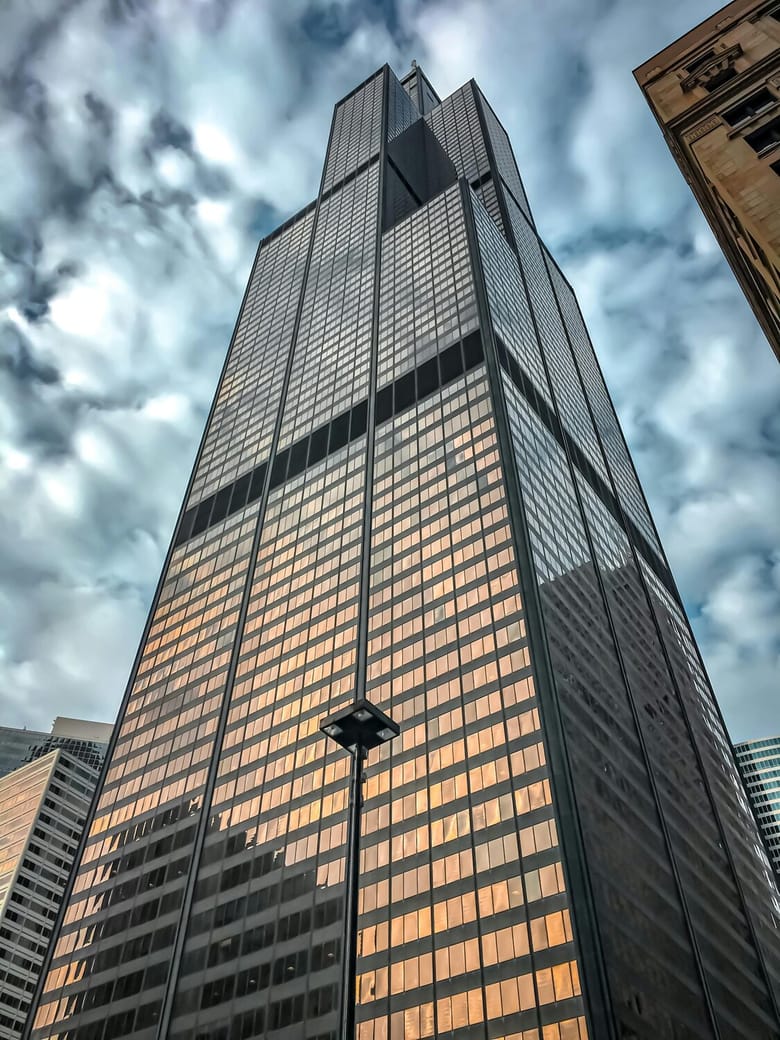
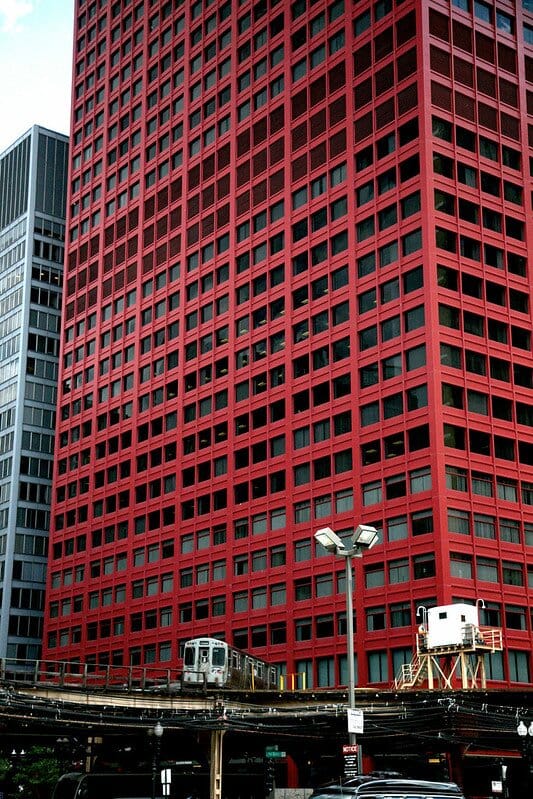
This high-profile case highlights a broader issue: many Late Modern office buildings are becoming obsolete. While some buildings like Willis Tower and “Big Red” have been successfully redeveloped, many others will require creative reuse to avoid demolition.
Is there a better way to incentivize redevelopment than by landmarking for tax benefits? How might an evolving preservation toolkit serve this urgent need?
Here to answer these questions are: a preservation advocate, a landmarks commissioner, an architect, a developer and a visiting planner from Los Angeles, where a citywide adaptive reuse ordinance was recently adopted.


Keynote speaker
Lorem ipsum dolor sit amet, consectetur adipiscing elit. Phasellus leo nulla, porta a ligula ut, commodo ultrices quam. Suspendisse non mollis odio.
Sed vestibulum ut arcu vel feugiat. Morbi iaculis augue risus, at pharetra nibh blandit nec. Etiam feugiat volutpat nunc vel aliquet. Maecenas mollis turpis at odio fringilla, eget iaculis tortor congue.
Meet the speakers
tbd
tbd
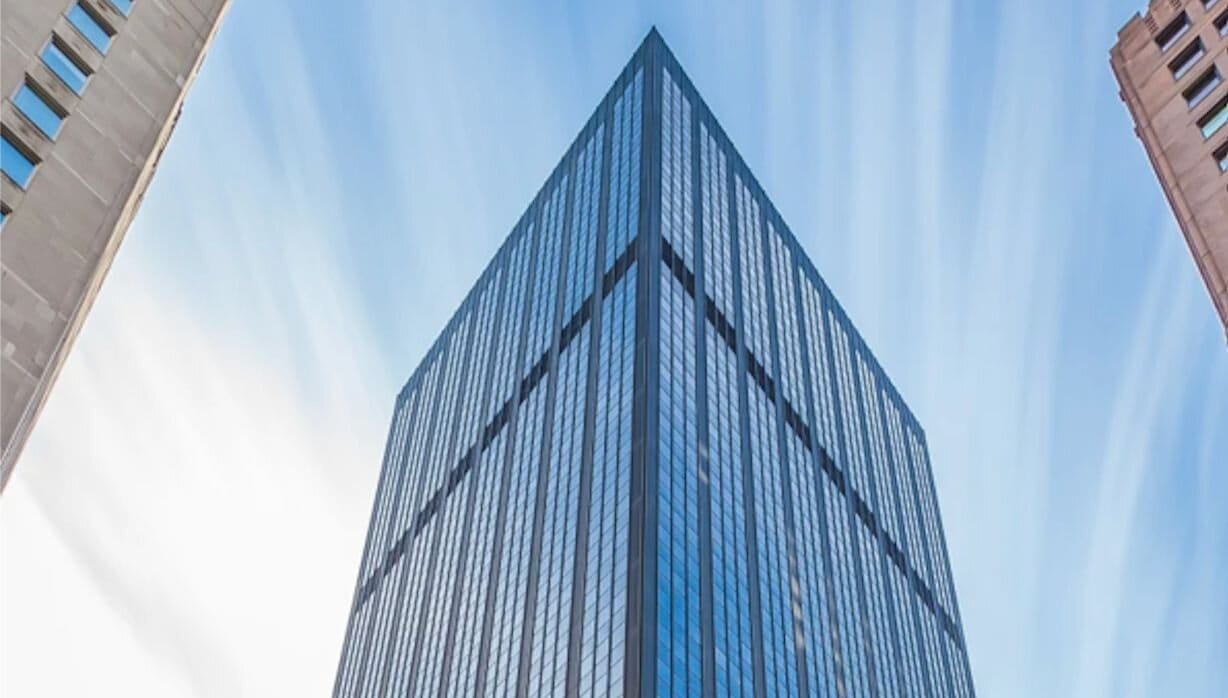
500 N Michigan.
Willis Tower.
333 S. Wabash.